
What Can Go Wrong with Private Charter — How a Broker Prevents It
Private aviation is often associated with simplicity, flexibility, and control; when everything runs smoothly, that’s exactly what it delivers. But behind every successful charter flight is a complex operation with many moving parts. Most clients never see this — as a good broker handles the problems before they ever surface.
Here’s a transparent look at what can go wrong with private charter, and how an experienced broker prevents issues from impacting your journey.

1. Aircraft Technical Issues
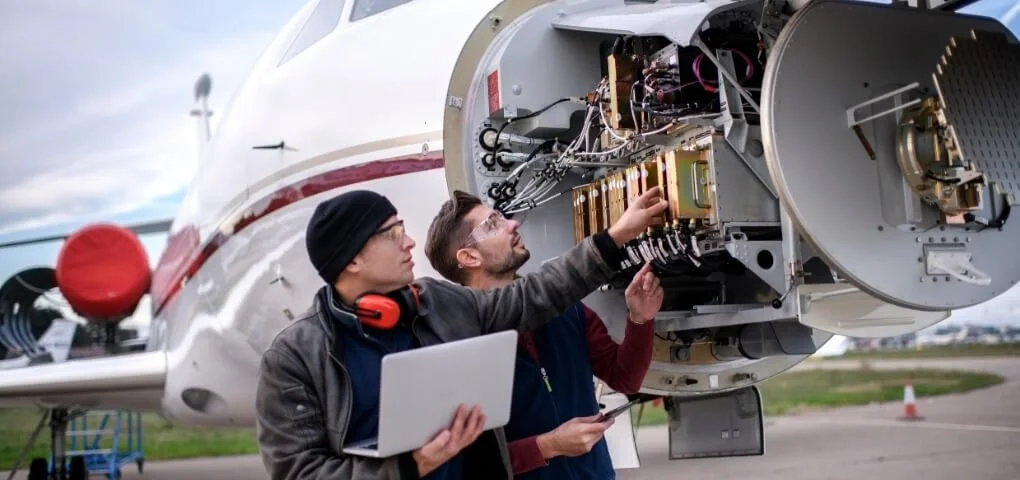
Even in private aviation, aircraft are machines — and machines sometimes develop technical issues.
An AOG situation means the aircraft is grounded due to a fault or maintenance requirement. This can happen:
• Before departure
• During a crew rotation
• Or even mid-trip
How a broker prevents disruption
A professional broker:
• Monitors aircraft status in real time
• Has alternative aircraft pre-identified
• Can source and switch to a replacement quickly
In many cases, the client never even knows there was an issue — the solution is already in place.
2. Weather Disruptions & Airport Closures
Weather is one of the most common operational challenges in aviation. Fog, strong winds, snow, or thunderstorms can:
• Close airports
• Reduce runway availability
• Require diversions or alternates
How a broker manages this
Your broker:
• Tracks weather across all departure, arrival, and alternate airports
• Plans contingencies in advance
• Advises on earlier departures, alternative airports, or different aircraft types
Instead of reacting to bad weather, a broker plans around it.
3. Slot Restrictions & Airport Limitations
Some airports — particularly popular business and city airports — have strict:
• Slot availability
• Operating hours
• Noise restrictions
Booking the aircraft alone doesn’t guarantee access.
How a broker protects you
A broker ensures:
• Slots are secured and confirmed
• Airport restrictions are accounted for before booking
• Backup airports are planned if required
This avoids last-minute surprises that can derail schedules.
4. Hidden Costs & Pricing Pitfalls
Private charter pricing isn’t always as straightforward as it appears. Costs can change due to:
• Overnight crew fees
• De-icing
• Repositioning flights
• Handling or parking fees
How a broker adds value
An experienced broker:
• Compares multiple operator quotes
• Identifies hidden or unnecessary costs
• Explains pricing clearly and transparently
This often results in better value and fewer surprises, not higher costs.
5. Operator & Safety Risks
Not all operators are equal. Differences can exist in:
• Certification standards
• Maintenance oversight
• Crew experience
• Insurance coverage
For clients unfamiliar with aviation, these risks aren’t always obvious.
How a broker mitigates risk
A broker verifies:
• Operator certifications
• Aircraft documentation
• Maintenance and insurance compliance
• Crew standards
This due diligence protects clients from safety, compliance, and financial risk.
6. Last-Minute Changes
In private charter, plans often change:
• Meetings overrun
• Passengers are added
• Destinations shift
• Departure times move
Without proper coordination, these changes can cause delays or additional costs.

How a broker keeps things seamless
Your broker:
• Acts as your single point of contact
• Coordinates all changes with the operator
• Confirms feasibility before committing
This ensures flexibility without chaos.
7. Communication Gaps
Without a broker, clients may need to speak to:
• Operations teams
• Handling agents
• Crew schedulers
• Ground transport providers
This can quickly become confusing and time-consuming.
How a broker simplifies everything
A broker:
• Manages all communication
• Translates technical details into clear updates
• Keeps you informed without overwhelming you
You make one call — everything else is handled.
Why Most Problems Never Reach the Client
The reality is that issues happen regularly in aviation. What matters is how they’re handled.
A good broker:
• Anticipates problems
• Has contingency plans ready
• Solves issues quietly and efficiently
When done properly, the client experiences a smooth, stress-free journey — even when challenges arise behind the scenes.
So, Do You Really Need a Broker?
If you value:
• Reliability
• Safety
• Transparency
• Time savings
• Professional oversight
Then yes — a broker plays a crucial role in protecting your journey.
Speak to AERLO
At AERLO, we believe the best charter experiences are the ones where clients never have to worry about what could go wrong — because we’ve already taken care of it.
If you’re considering private charter and want clear advice, transparent pricing, and discreet support, speak to our team.
📞 +44 20 3488 3366
🌐 Enquire via our website
